English
Kids learn the words they need to build: instructions, questions, describing what their robot does. Speaking first, grammar along the way.
At RoboLingo Kids, children pick up English the way they pick up a screwdriver — with their hands, for a reason. Every lesson is a project: build it, code it, teach it to think, then present it in English.
First lesson is free · No English level required
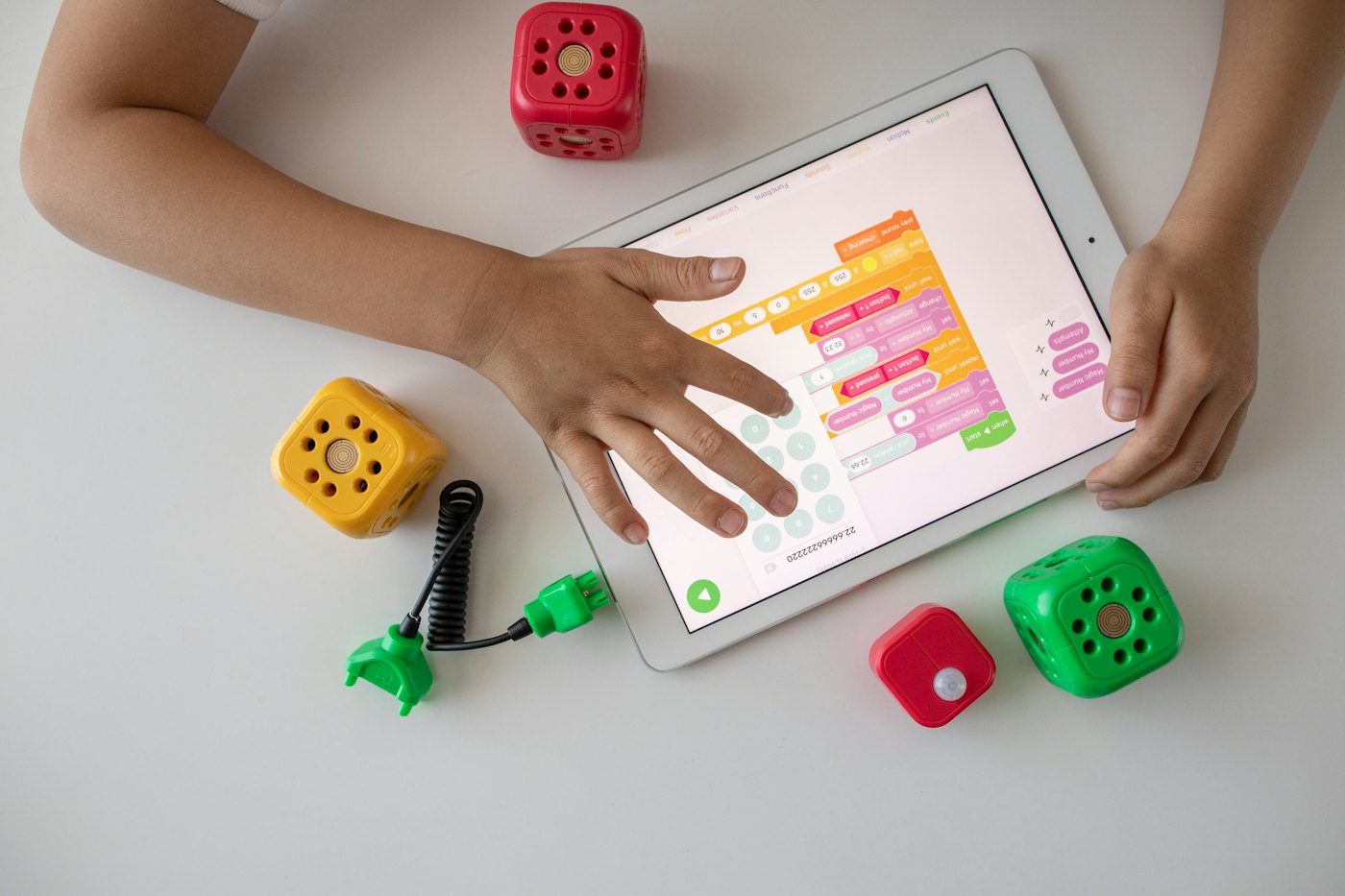
We don’t teach English on Monday and robotics on Thursday. Language, engineering and AI happen in the same 90 minutes — so every new word has a job to do.
Kids learn the words they need to build: instructions, questions, describing what their robot does. Speaking first, grammar along the way.
Motors, sensors, gears and code. From screen-free robots for the youngest to programmable kits with real electronics.
Robots that recognise faces, colours and voices. Kids train simple AI models themselves and see exactly why they work — or don’t.
Every lesson follows the same five steps, so children always know what comes next.
A short warm-up with today’s words and a mission.
Teams assemble the robot — in English, of course.
Give it instructions: blocks for the young, Python later.
Teach the robot to see or hear with a simple AI model.
Each team shows its robot and explains how it works.
Each track lasts 2–4 years. Children are grouped by age and English level, and move up one level every school year.
We don’t turn ten-year-olds into data scientists. We give them robots that use AI — and let them find out how it learns, when it gets things wrong, and why people still make the decisions.
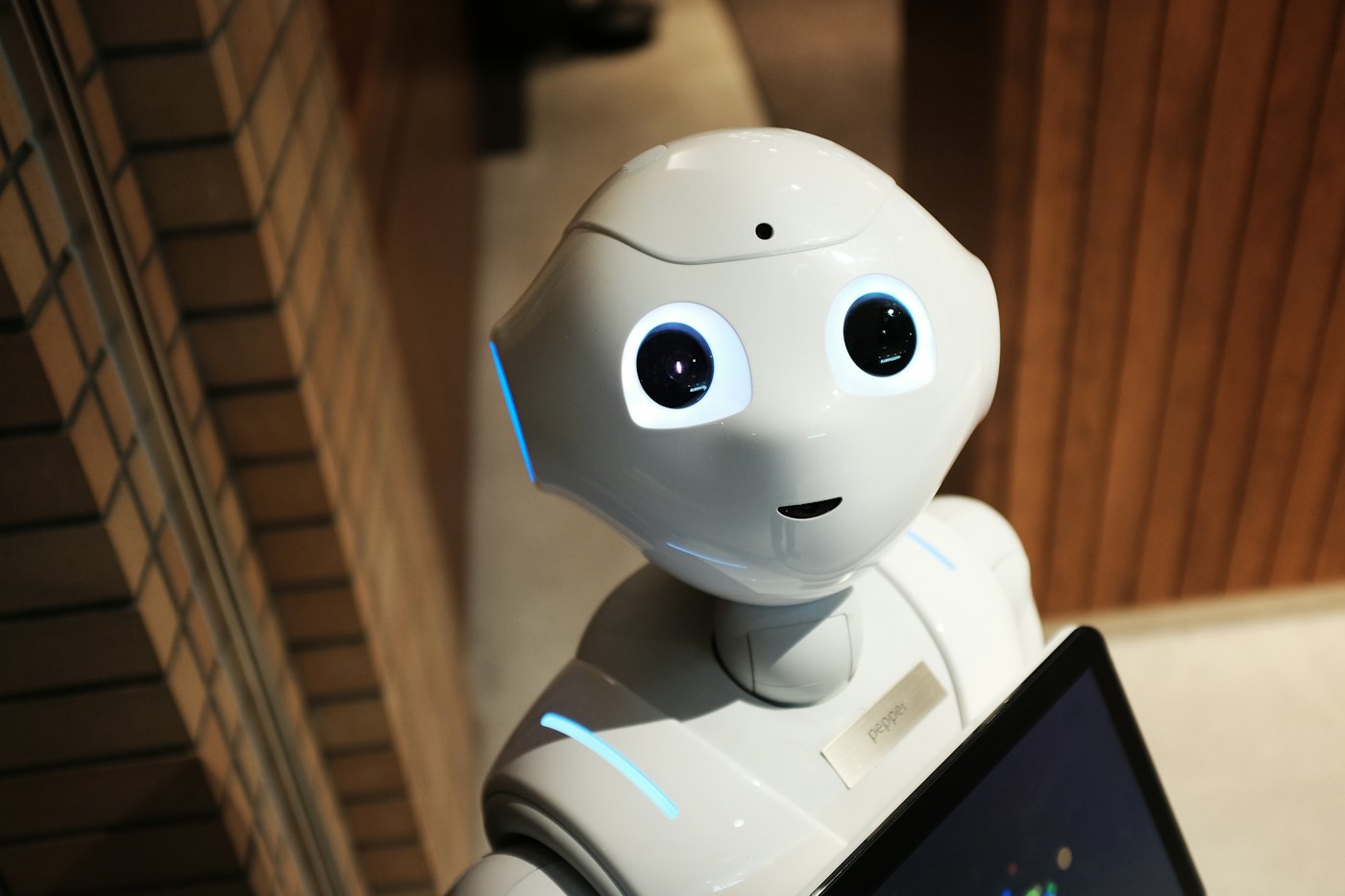 friendly robot · 97%

Kids explain, ask and argue in English because they need to — not because a worksheet says so.
A robot that drives into a wall teaches patience better than any lecture.
AI and robots stop being magic. Children learn to ask how a thing works.
Every project is built in pairs or small groups, with roles that rotate.
90 minutes, a real robot, and a teacher who will tell you honestly which track fits your child.