Three tracks, one idea: learn English by making things.
Robotics and a new language take time, so each track is a journey of several years. The school year is split into three 12-week terms — short enough to try, long enough to see real progress.
One path from 5 to 14
Children move up one level every school year and switch to the next track as they grow. A child who starts at 5 can stay with us until 14.
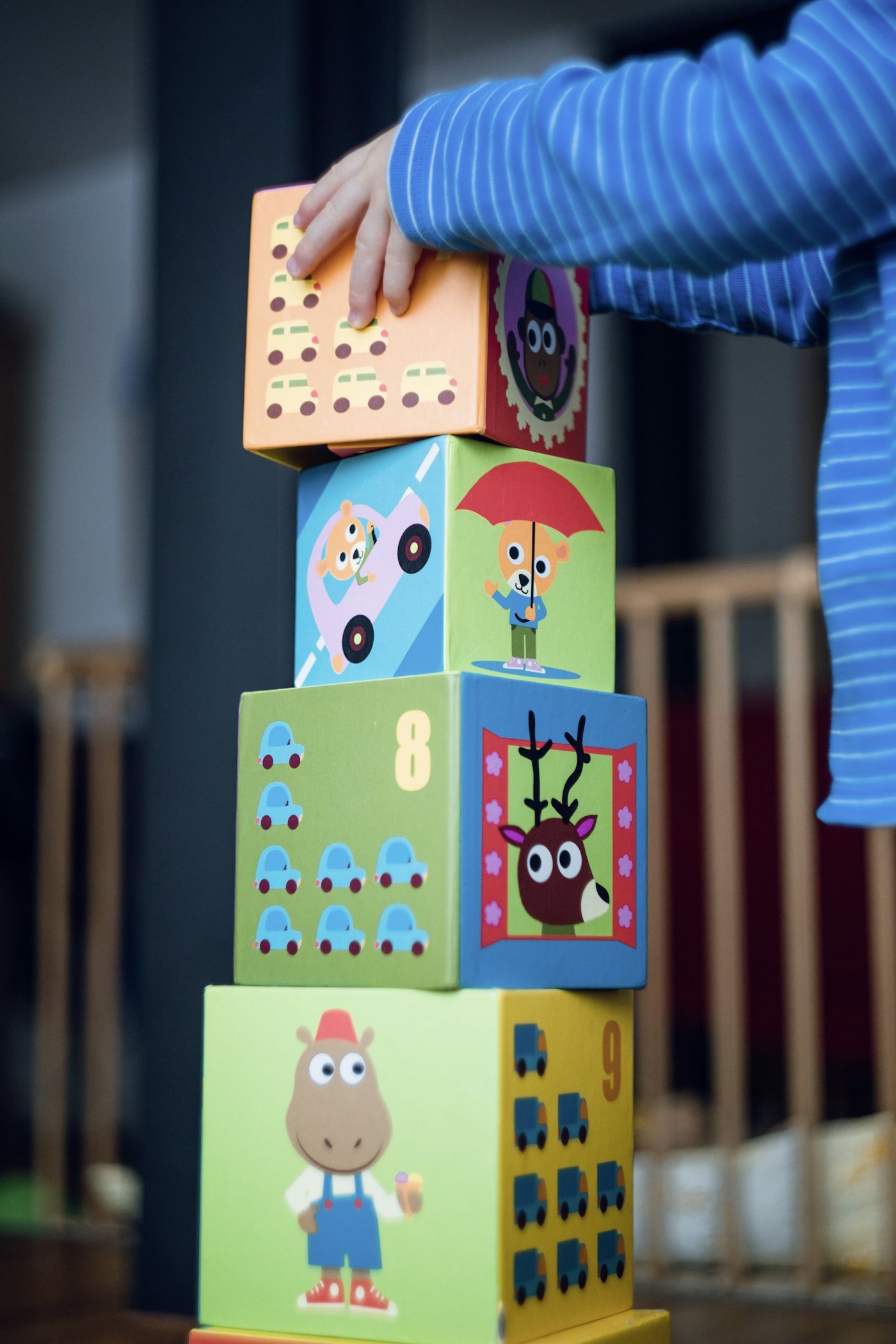
Screen-free robots, colourful cards and lots of talking. Children learn directions, colours, numbers and simple sentences while they program little robots to move across a mat.
Year by year
Level 15–6 yearsDirections, colours, numbers, first commands
Level 26–7 yearsPatterns, loops and first full sentences
Sample projects
A robot that finds the way home
Colour-sorting game
Robot dance party
What they learn
Listening & first words
Sequencing and patterns
Taking turns in a team
8–10years
Duration: 3 yearsEnglish level: A1 → A2
Builders
Build, code and explain real machines.
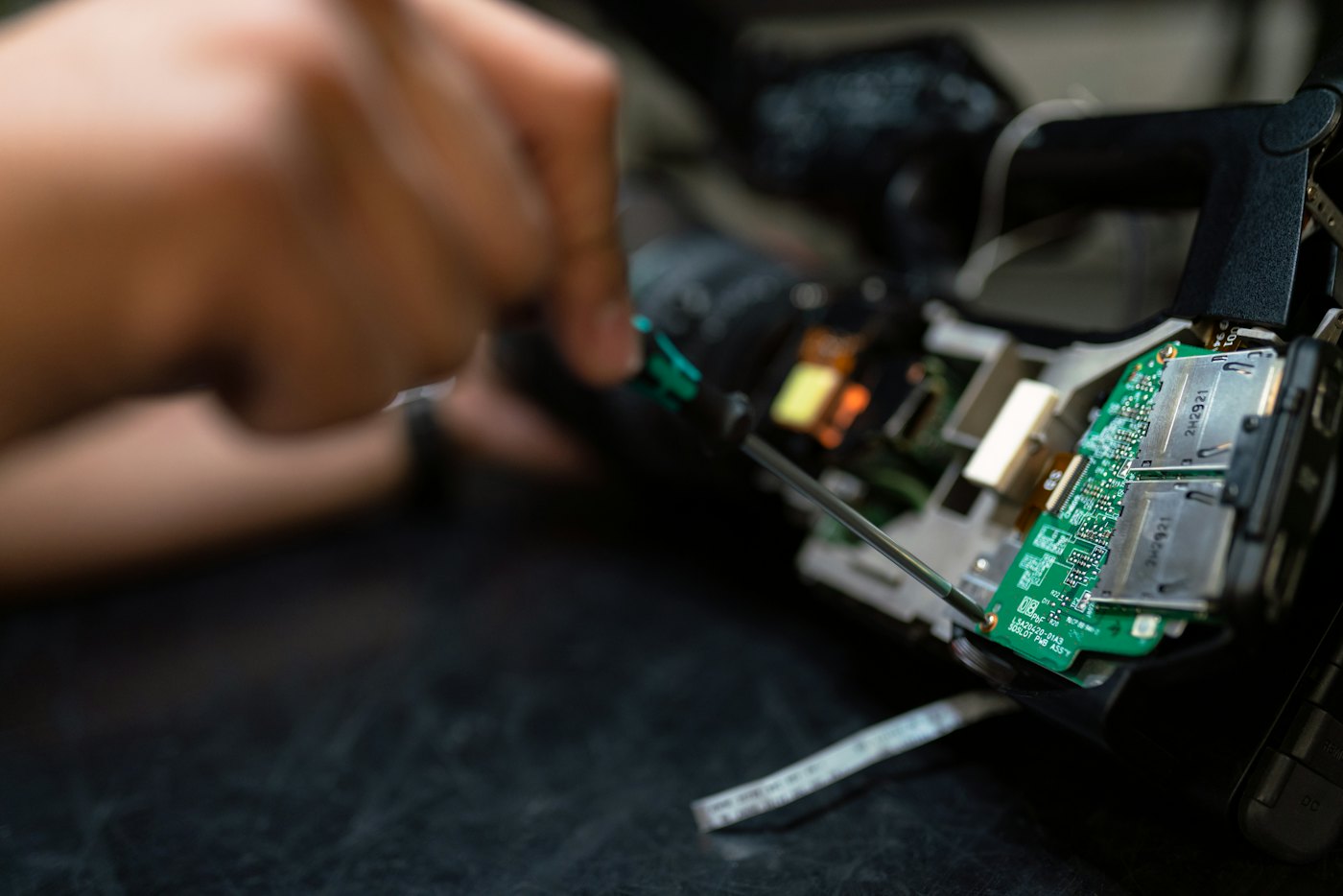
Construction kits with motors and sensors, programmed with block coding. Kids read short instructions, describe their builds and start meeting their first AI tools.
Year by year
Level 18 yearsMotors, sensors and block coding
Level 29 yearsSmart machines that react to the world
Level 310 yearsFirst AI projects: robots that see
Sample projects
A smart car that avoids walls
A robot pet that reacts to sound
A colour-recognising sorter
What they learn
Speaking in full sentences
Block coding & sensors
First AI: image recognition
11–14years
Duration: 3–4 yearsEnglish level: A2 → B1
Innovators
AI-powered robots and real problem-solving.
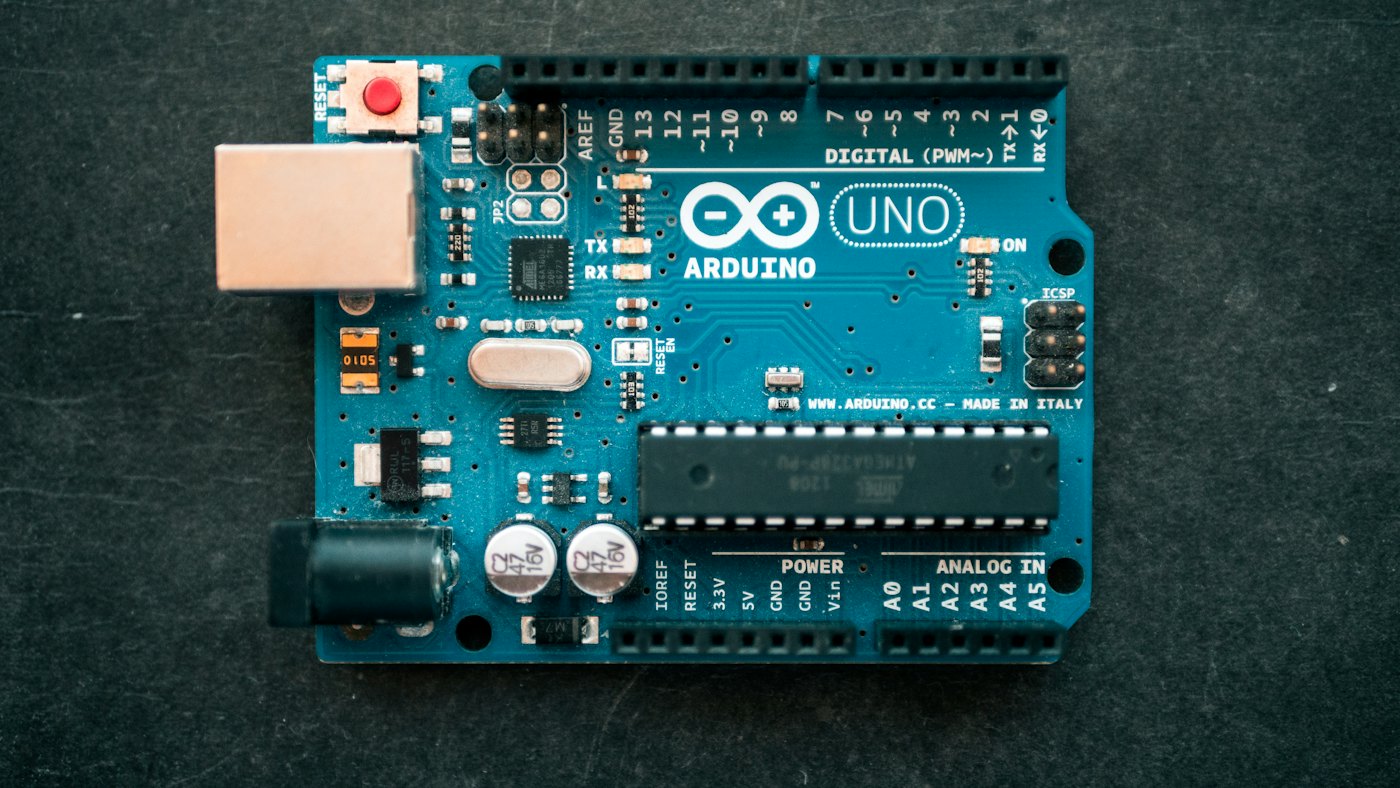
Microcontrollers, real electronics and a first taste of Python. Teams design a robot that solves a problem, train AI models for it and present the project in English.
Year by year
Level 111 yearsElectronics and first Python
Level 212 yearsAI vision and voice control
Level 313 yearsDesigning your own robot
Level 414 yearsFinal project and competitions
Sample projects
Voice-controlled robot assistant
A gesture-trained robotic arm
A smart greenhouse that “sees” plants
What they learn
Presenting & debating
Python basics & electronics
Training and testing AI models
How a school year works
You sign up one term at a time. Most families stay for the whole year, because that is when the big jump happens.
Sep – Nov
Term 1
New skills, new words and the first team project.
Demo Day
Dec – Mar
Term 2
Harder builds, more coding, more speaking.
Demo Day
Mar – Jun
Term 3
A big final project, presented in English, plus a certificate.
Demo Day
Jul – Aug
Summer
Optional holiday camps to keep practising.
Every term ends with a Demo Day for parents
≈ 108
hours of lessons a year
1 year ≈ 1
English level (CEFR)
3
chances a year to join
The format
Sep → Jun
school year, 36 weeks
3 × 12 weeks
terms, each with a Demo Day
2 × 90 min
lessons per week
6–8
children per group, all kits included
Holiday camps
Week-long, half-day camps in the school holidays. One big robot project, a final demo for parents, and a lot of English along the way. Open to all tracks.