What it is
- Robots with cameras, microphones and sensors
- Training simple AI models with your own examples
- Testing: when does the AI get it wrong, and why?
- Talking about fairness, privacy and safety
AI is part of the world our children are growing up in. We don’t teach them to build it from scratch; we teach them to use it, question it and stay in charge of it.
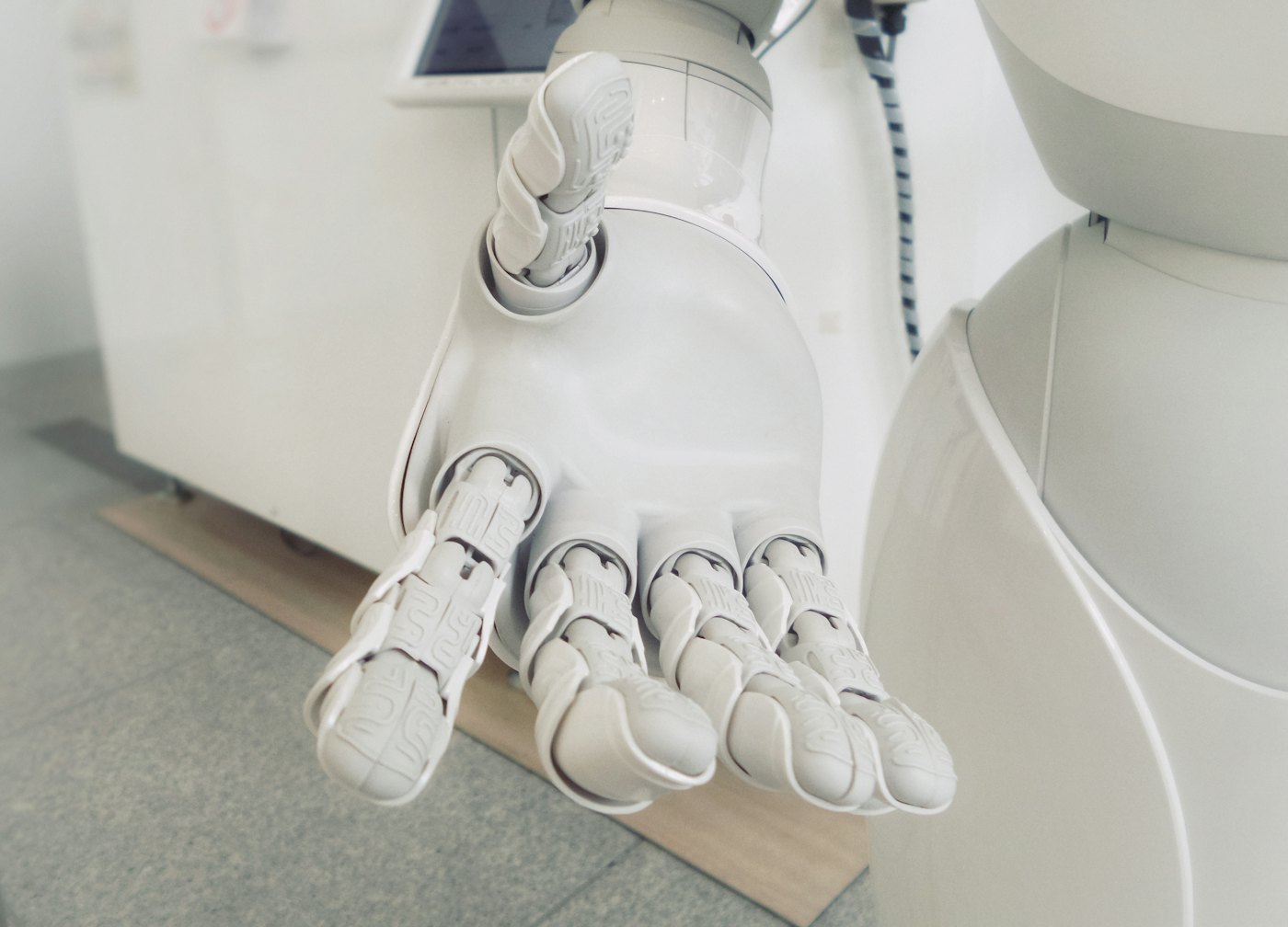
Recognise colours, shapes, faces and gestures through a camera.
Follow spoken commands — which only works if the English is clear.
Combine sensor data and rules to choose what to do next.
Turn decisions into action with motors, wheels and arms.
Show the camera 20 pictures of “apple” and 20 of “banana”.
The model learns the difference in a few seconds — kids watch it happen.
Try a green apple. Did it work? Why not? What should we add?
Link the model to the robot: if “apple”, drive left.
We use child-appropriate tools that run in the classroom wherever possible. No accounts for children, no photos leave the room, and every AI activity is guided by a teacher.
90 minutes, a real robot, and a teacher who will tell you honestly which track fits your child.